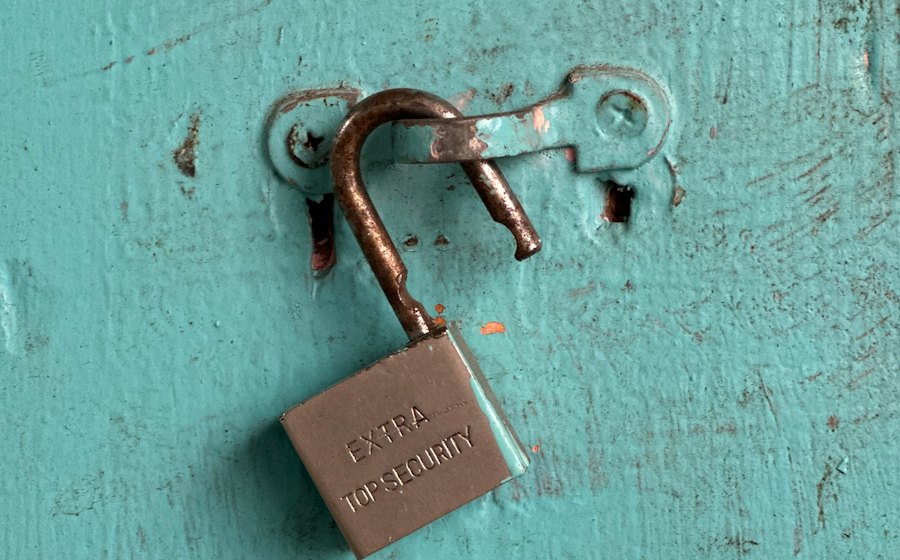
Generally, no. Even when a tenant is behind on rent or has broken the lease, Florida law doesn't allow a landlord to take matters into their own hands. Section 83.67 of the Florida Statutes lists "prohibited practices," and a landlord who uses them can owe the tenant significant damages. Here is what the law generally says.
What a landlord can't do
- Shut off or interrupt utilities. A landlord can't cause, directly or indirectly, the shutoff or interruption of utility service to the tenant, such as water, heat, light, electricity, gas, elevator, garbage collection or refrigeration. This applies even if the utility is in the landlord's name.
- Lock the tenant out. A landlord can't keep the tenant from reasonable access to the unit by any means, including changing the locks or using a bootlock or similar device.
- Remove doors, windows or other parts of the unit. A landlord can't remove outside doors, locks, the roof, walls or windows, except for maintenance, repair or replacement.
- Remove the tenant's belongings. A landlord can't remove the tenant's personal property from the unit except after the tenant surrenders or abandons the unit, after a lawful eviction, or in the limited situation where the last remaining tenant has died.
What the tenant can recover
A landlord who violates section 83.67 is liable to the tenant for actual and consequential damages or 3 months' rent, whichever is greater, plus costs and attorney's fees. Later, separate violations can lead to separate awards. A tenant may also ask a court for an order to restore access or service, and the statute treats a violation as irreparable harm for that purpose.
The only lawful path: the court
A landlord can generally take back a residential unit only in these situations:
- A court case. The landlord files an eviction in county court and wins a judgment for possession.
- Surrender. The tenant voluntarily gives the unit back.
- Abandonment. The tenant has abandoned the unit, as the statute defines it.
- Death of the last tenant, under specific conditions and time periods in the statute.
After a judgment, the clerk issues a writ of possession. The sheriff posts it at the unit, and after 24 hours, the sheriff puts the landlord back in possession. Weekends and holidays don't extend the 24 hours. Only then may the landlord change the locks and remove belongings left behind, and the landlord can ask the sheriff to stand by while that happens.
For landlords
A lockout or shutoff can turn a rent case into a damages case against the landlord. The faster and safer route is usually a proper 3-day or 7-day notice, followed by an eviction filing if the tenant doesn't pay, fix the problem or leave. Florida evictions use a summary procedure, so a properly handled case can move quickly.
For tenants
- Document everything: photos, dates, times, texts and any notes from the landlord.
- Keep paying rent when due unless you have a lawful reason not to. A lockout doesn't erase rent you owe.
- Don't ignore court papers. If you are sued for eviction, deadlines are short.
- Talk to a lawyer quickly. A court may be able to order access or service restored.
This article is general information about residential tenancies under Florida law, not legal advice. Commercial tenancies follow different rules. Every case is different, and reading this doesn't create an attorney-client relationship.
Start your case intake today
Tell us what happened, and Shadi will let you know how the firm can help. Prefer to talk? Call or text (727) 800-4640.